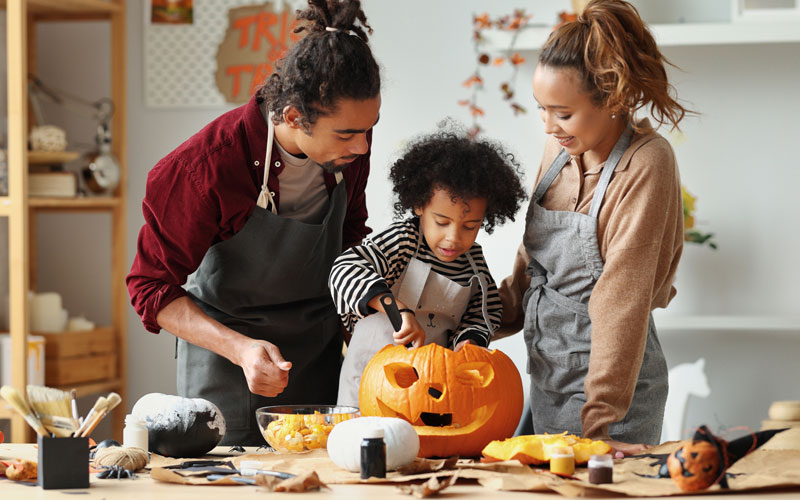
Two years ago I showed up to our local pumpkin patch on the first Saturday of October, expecting a quiet little farm stand with some hay bales. Instead I found a parking line that took forty minutes, a $12 admission fee I wasn't told about online, and a pumpkin selection that had already been picked over by everyone else who had the same "let's get there early" idea. My kids were thrilled. I was sweating through my flannel and wondering why I hadn't just checked the farm's Instagram first.
That trip taught me more about actually enjoying fall than any list of "top 10 autumn activities" ever did. So this isn't going to be one of those generic roundups. It's what's worked for my family, what's flopped, and the small adjustments that made the season feel less like a scramble and more like the reason I look forward to September every single year.
Why Fall Activities Are Worth Planning For (Not Just Winging)
Fall has a short shelf life. Peak foliage lasts maybe two weeks in most places. Good apple varieties get picked clean within the first few weekends of the season. Pumpkin patches get muddy and overrun by mid-October. If you treat autumn like it's going to last three months of leisurely planning, you'll end up doing everything during the last rushed weekend before it turns cold and everyone's suddenly talking about Halloween costumes instead.
I actually started tracking the calendar more closely after that pumpkin patch disaster, and I'll be honest, I use howmanydaysuntilfall.com every year now just to get a feel for when the season officially kicks off where I live, so I can plan the apple orchard trip and the foliage drive before everyone else has the same idea.
Apple Picking: Go Earlier Than You Think You Should
My biggest mistake was assuming apple picking is an "anytime in October" activity. It's not. Honeycrisp trees, which are what most people actually want, get stripped within the first two or three weekends of the season at a lot of orchards. By the time I went, all that was left were Granny Smiths and some mystery variety that tasted like a green pepper.
Here's what I do differently now:
Pumpkin Patches Without the Chaos
After that first rough experience, I learned that the busiest pumpkin patches are usually the ones with the biggest corn mazes and the most Instagram photos. The smaller family farms twenty minutes further out are almost always less crowded, cheaper, and honestly friendlier. We found one that lets you pick straight from the vine instead of from a pre-picked pile near the entrance, and it's become our go-to.
If you've got young kids, go on a weekday morning. If you're taking teenagers who actually want the corn maze and the hayride and the whole production, weekends are unavoidable, but try to arrive right when the place opens instead of midday.
Fire Pits and Bonfires: The Detail Nobody Tells You
We switched from a wood-burning pit to a propane one two falls ago, and it genuinely changed how often we actually used it. Wood fires are romantic in theory, but between the smoke smell that sticks to every jacket and the twenty minutes it takes to get a good bed of coals going, we just weren't lighting it as often as we thought we would.
A propane fire pit, like the ones from Solo Stove or the cheaper tabletop versions you'll find at most hardware stores, lights in about ten seconds and doesn't leave everyone smelling like a campfire the next day. If s'mores are the whole point for your family, you'll still get plenty of roasting heat, just without the smoke in your eyes.
Foliage Drives and Hikes: Timing Is Everything
I used to just guess when peak color would hit, and I guessed wrong more than once, showing up to a supposedly famous overlook and finding half the trees already bare. Now I check state park foliage trackers (a lot of states, like Vermont and New York, actually publish weekly color reports during fall) and I use the AllTrails app to see recent photos other hikers posted from the exact trail I'm considering, not just a stock photo from three years ago.
One thing that surprised me: mid-elevation trails often peak a week or two before the valley floor. So if a lowland trail looks disappointing, driving up in elevation, or just a bit further north, can put you right in the middle of peak color.
A Simple Weekend Plan That Actually Works
Common Mistakes I See People Make (Because I Made Most of Them)
Waiting until the last weekend of October to do everything at once. By then orchards are picked over, patches are muddy, and every activity is double-booked with school groups.
Not checking weather until the morning of. Fall weather swings hard, and I've shown up in shorts to a 40-degree hayride more than once.
Assuming every pumpkin patch has the same vibe. Some are genuinely just a farm stand with a few pumpkins out front, not the full festival experience with food trucks and hayrides. Read reviews first.
Overbuying pumpkins because they look cute in October, then throwing half of them out in November because they rotted on the porch. Smaller decorative gourds actually last longer than the big ones if you're not carving them.
What I'd Tell a Friend
Fall activities are one of those things where the planning is genuinely part of the fun, not a chore standing in the way of it. Once I stopped treating the season like something to squeeze in whenever, and started actually paying attention to timing, crowds, and weather, the whole thing got a lot more enjoyable and a lot less stressful.
You don't need a packed itinerary or a Pinterest-perfect fall bucket list. You just need to pick two or three things that actually matter to your family, time them right, and let the rest of the season be as low-key as you want it to be.