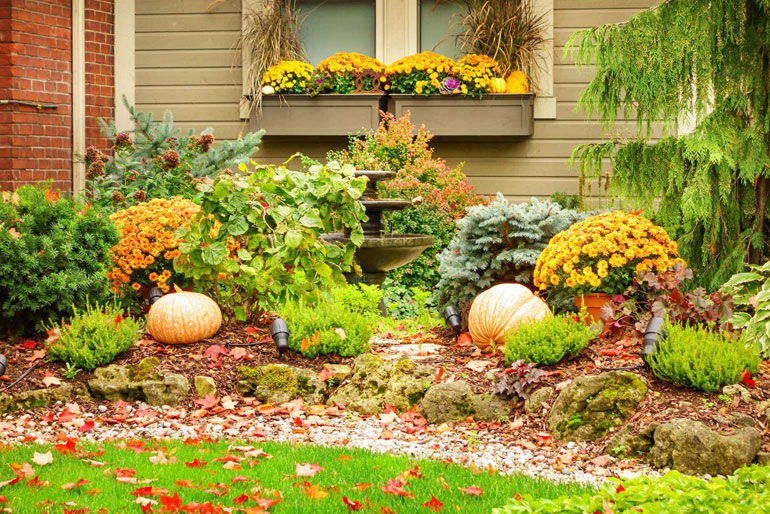
Last September, I stood in my backyard holding a half-empty seed packet, genuinely confused about why my tomato plants looked like they'd given up on life. That's when my neighbor leaned over the fence and said something that changed how I garden completely: "Summer's over, buddy. Time to plant something that actually likes the cold."
I didn't know fall gardening was even a real thing. I figured once September hit, you cleaned up the yard, raked some leaves, and waited for spring. Turns out I was leaving an entire growing season on the table — and honestly, some of my best harvests have come from what I planted in the fall, not the summer.
If you're standing in your yard right now wondering whether it's too late to grow anything, I'm here to tell you it's probably not. Let me walk you through what actually works, what flopped for me, and how to avoid the mistakes that cost me a whole batch of spinach one year.
Why Fall Gardening Actually Makes Sense
Here's the thing nobody tells you: a lot of vegetables genuinely prefer cooler weather. Heat stresses them out, makes them bolt (that's when plants rush to flower and seed instead of growing edible parts), and honestly just makes gardening more miserable for you too — nobody wants to be out weeding in 95-degree heat.
Fall gives you cooler days, fewer pests (bugs slow down too), and often more consistent rainfall depending on where you live. The soil is still warm from summer, which actually helps seeds germinate faster than you'd expect.
I remember checking my local weather app almost daily that first fall season, half-expecting frost to wipe everything out. It didn't. Most of what I planted handled the first light frosts just fine — some vegetables actually taste better after a cold snap.
If you're trying to time things around the changing season, a site like howmanydaysuntilfall.com is genuinely useful for figuring out exactly how much growing time you've got left before the real cold sets in. I still check it every year before I decide what to plant.
What I've Actually Grown Successfully in Fall
I'm not going to list every vegetable under the sun — I'll tell you what worked for me, because a lot of gardening advice online reads like it was copy-pasted from a seed catalog.
1. Leafy Greens (Spinach, Kale, Lettuce)
These are the easiest wins. Spinach especially — I've had it come up in under a week when the soil's still warm in early fall. Kale gets sweeter after frost, which sounds made up but it's true. The cold actually converts some of the starches into sugar.
Mistake I made: I planted my first batch of spinach way too late, right as the ground was starting to cool for real. Barely anything sprouted. Lesson learned — get greens in the ground while there's still warmth in the soil, not after the first chilly week.
2. Root Vegetables (Carrots, Beets, Radishes)
Radishes are almost cheating — they're ready in about 3-4 weeks, so even if you're planting late, you can usually squeeze in a harvest. Carrots take longer but store well right in the ground under mulch, which means you can basically use your garden as a fridge.
I use a simple soil thermometer (the kind you'd get for under $10 at any hardware store) to check that the ground isn't too cold before I direct-sow root veggies. If the soil's below 45°F, germination gets painfully slow.
3. Broccoli, Cauliflower, and Cabbage
These do better as transplants rather than starting from seed directly in fall soil, especially if your season's already shortening. I usually buy small starter plants from a local nursery instead of starting seeds indoors — saves time and they're already hardened off.
4. Garlic
This one surprised me. You plant garlic in fall, and it just sits there quietly through winter, then takes off in spring. It's basically a "plant it and forget it" crop. I plant cloves about 2 inches deep, pointy side up, roughly 6 inches apart, and mulch heavily over the top.
5. Herbs (Cilantro, Parsley)
Cilantro bolts almost instantly in summer heat, so fall is honestly the better season for it. Parsley is tough and can survive into early winter with minimal care.
Step-by-Step: How I Actually Plan My Fall Garden
A Real Example From My Own Backyard
Two years ago, I planted a mixed fall bed: spinach, radishes, and a row of garlic along the back fence. The radishes were ready before I even finished harvesting my last summer tomatoes. The spinach kept producing well into November, even after a couple of frosty mornings that made me nervous.
The garlic, though, was the real win. I planted it in October, basically forgot about it all winter, and by June I had a full harvest of garlic bulbs bigger than anything I'd bought at the store. Genuinely one of the lowest-effort, highest-reward things I've grown.
Common Mistakes People Make (Including Me)
Planting too late. This is the big one. Fall crops still need real growing time before the ground freezes. Waiting until it "feels like fall" is often already too late for slower-growing vegetables.
Ignoring the soil temperature. Air temperature and soil temperature aren't the same thing. Soil holds heat longer, so don't panic the first cold morning — but don't ignore it either if it drags on.
Overwatering because you assume fall means dry weather. Depending on your climate, fall can bring more rain, not less. I drowned a row of carrots one year because I kept watering out of habit instead of checking the soil first.
Skipping mulch. I used to think mulch was just for looks. It's not — it insulates roots, keeps moisture consistent, and can extend your harvest window by weeks.
Not protecting against early hard frosts. A cheap frost cloth or even an old bedsheet thrown over beds on a predicted cold night can save an entire crop. I learned this after losing a bed of lettuce to one unexpected freeze.
A Few Tools That Actually Helped Me
None of this needs to be expensive. Most of what I use cost less than a nice dinner out, and it's paid for itself many times over in produce.
Timing It Around the Season Itself
If you're not sure exactly when fall starts where you are, or you want to plan fun outdoor days around your garden work, howmanydaysuntilfall.com is a handy reference — I use it alongside my planting calendar. There's also a solid list of fall activities if you want to make a family day out of garden prep, and their page on the first day of fall helps me mentally mark when to start shifting from summer crops to cold-weather ones.
Final Thoughts
Fall gardening isn't some advanced-level hobby reserved for people with greenhouses and fancy equipment. It's honestly more forgiving than summer gardening in a lot of ways — fewer pests, less scorching heat, and some crops that practically grow themselves once they're in the ground.
The biggest shift for me was just changing how I thought about the season. Fall isn't the end of the garden year — it's a second chance to grow things that summer never let you grow properly in the first place. Give it a shot with something low-risk like radishes or spinach first. Once you see how fast they come up, you'll probably find yourself planning next year's fall garden before summer even ends.